Mid Day Meal
The Mid Day Meal (MDM) Scheme is an important initiative of the Government of India that ensures children receive adequate nutrition along with education. By providing a free, wholesome meal during school hours, the scheme helps children remain healthy, energetic, and attentive in the classroom.
Implemented for students of primary and upper primary classes, the programme guarantees cooked meals on every working day. The scheme, formally launched on 15 August 1995 under the National Programme of Nutritional Support to Primary Education (NP-NSPE), reflects the government’s strong commitment to child welfare, equity, and universal access to education.
Meals are prepared according to approved nutritional standards, supplying up to 450 calories and 12 grams of protein per child per school day. A balanced combination of cereals, pulses, vegetables, and other essential nutrients supports physical growth, mental alertness, and immunity, enabling students to actively participate in academic and co-curricular activities.
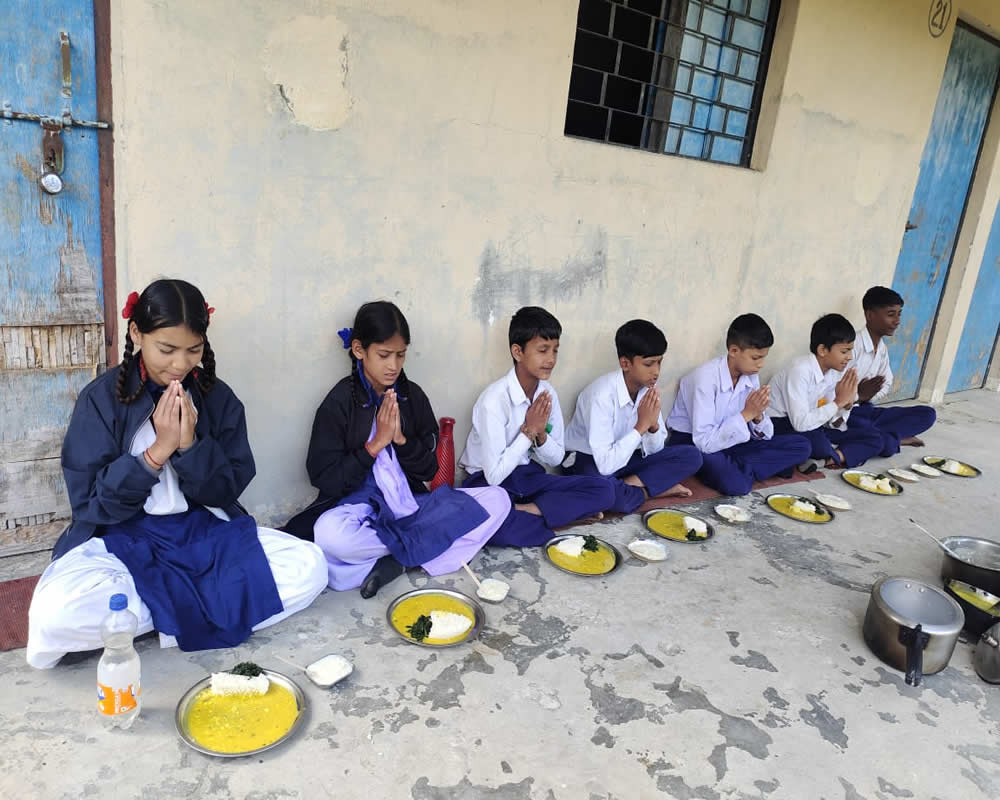
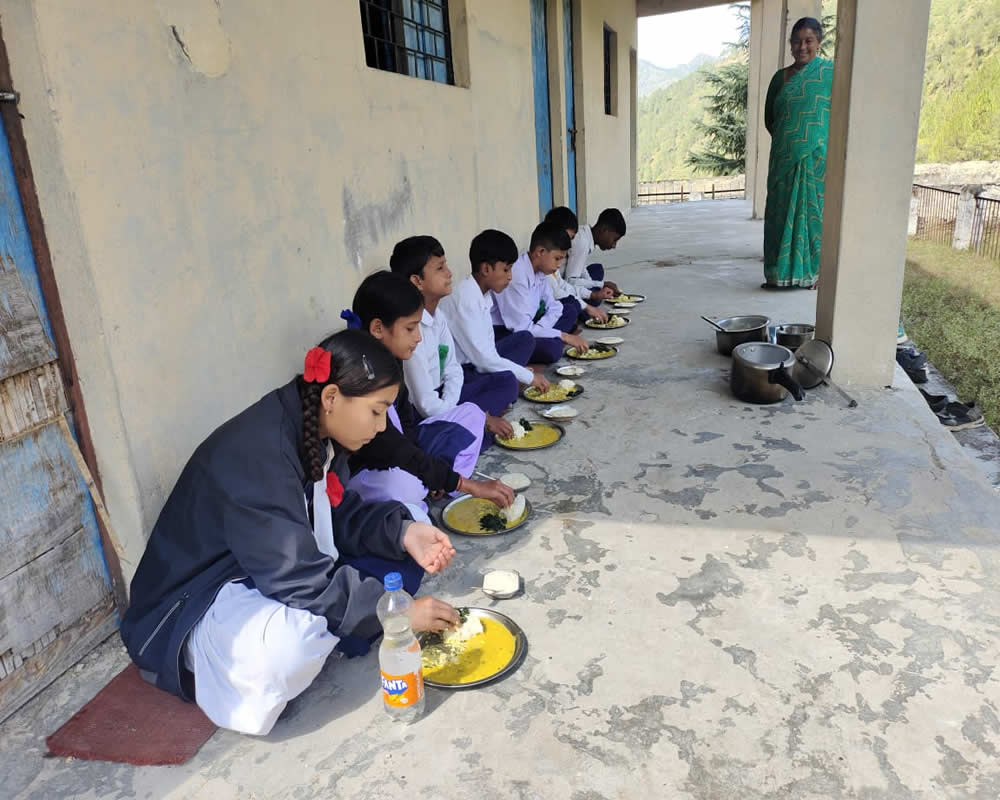
The scheme plays a significant role in reducing hunger during school hours, which directly improves concentration, learning outcomes, and classroom engagement. It also serves as a powerful tool to promote regular attendance and student retention, especially among children from economically and socially disadvantaged backgrounds.
In addition to nutritional benefits, the Mid Day Meal Scheme encourages social interaction and equality, as children sit together and share meals irrespective of caste, gender, or economic status. Schools also use this opportunity to promote healthy eating habits, personal hygiene, and cleanliness, such as washing hands before and after meals.
Overall, the Mid Day Meal Scheme strengthens the educational system by creating a supportive and inclusive learning environment, ensuring that every child receives not only quality education but also the nourishment necessary for holistic development and lifelong well-being.